
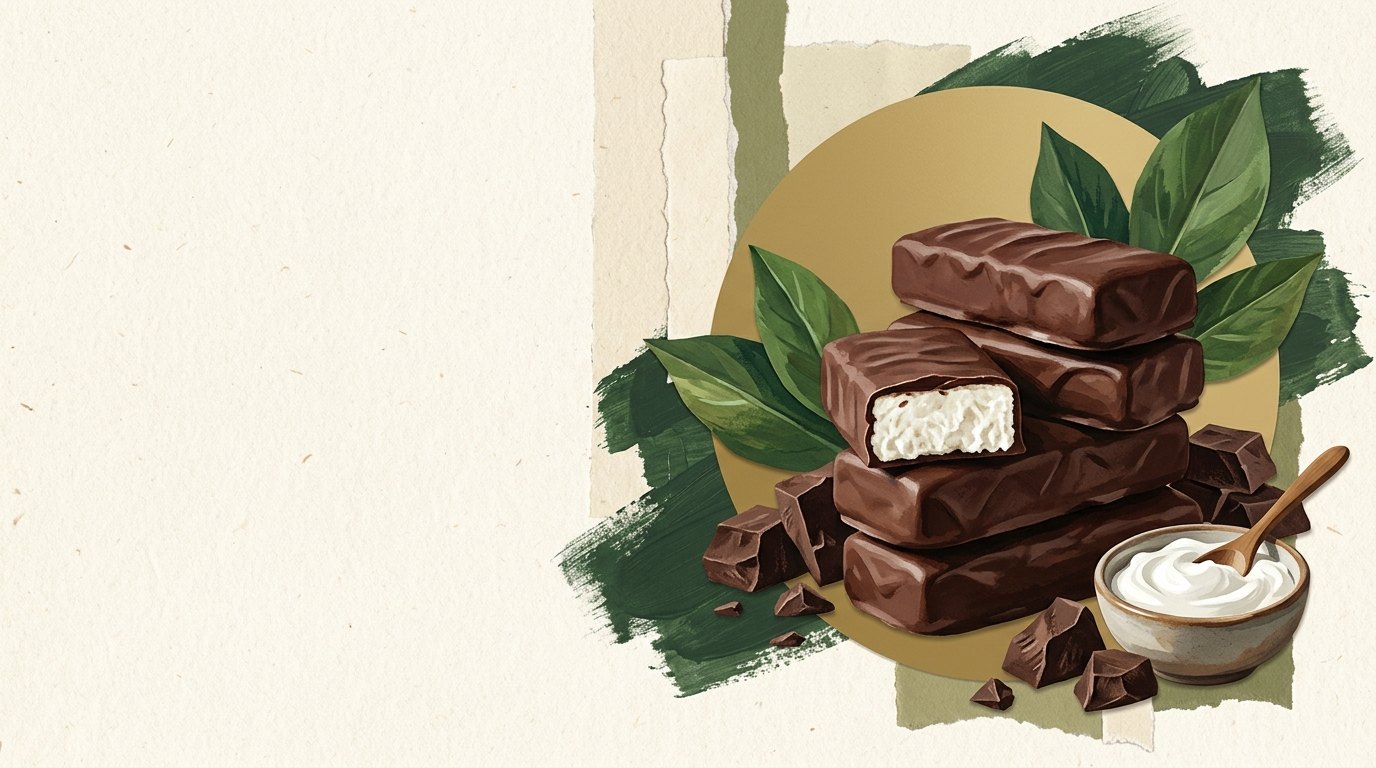
Clio Snacks started with a batch of Greek yogurt that strained for too long. Eleven years later, the New Jersey maker of chocolate-covered yogurt bars has sold a majority stake to private equity.
Stride Consumer Partners announced the majority investment on October 6. The price wasn’t disclosed. What is public: Clio’s sales grew from about $9 million in 2019 to an estimated $60 million in 2024, CEO John McGuckin told Food Dive, and the bars are now in around 60,000 stores.
Clio, the fast-growing refrigerated Greek yogurt bar brand, has been acquired by Stride Consumer Partners for an undisclosed sum.
— CPG WIRE (@cpgwire) October 6, 2026
Clio was created by accident in 2015 when founder Sergey Konchakovskiy began shaping over-strained yogurt into bars.
Under CEO John McGuckin, who… pic.twitter.com/RkwymOp3eO
Stride, a Boston firm that invests only in consumer brands, now controls the company. McGuckin and the existing team stay on to run it.
A majority stake, not a full sale
This is a “majority investment.” In plain terms, whoever owned Clio before cashed out a large part of their stake, Stride takes control, and the people running Clio get fresh money to expand manufacturing, win more shelf space and launch new products. The company hasn’t said who sold.
Stride said it had been “trying to partner with Clio for years.” That line matters. Clio didn’t go looking for a buyer. The buyer kept coming back until the deal worked.
It started with a mistake
In 2015, founder Sergey Konchakovskiy was straining Greek yogurt at home and left it too long. It came out thick enough to hold its shape, and the texture reminded him of a dessert from his childhood in Eastern Europe: a sweet cheese bar dipped in chocolate.
So he shaped the yogurt into bars, dipped them in chocolate and started selling them. No celebrity co-founder, no famous investor, no food science lab. Just one product American supermarkets didn’t have yet.
Growth was slow at first. The turning point came in 2021, when Konchakovskiy brought in McGuckin as CEO to turn a cult product into a national brand, and then let him do it. Revenue has more than quadrupled since, and McGuckin has said Clio could one day be a $500 million brand if more households buy it regularly.
The numbers behind the deal
| Metric | Figure |
|---|---|
| Founded | 2015, New Jersey |
| Sales, 2019 | ~$9M |
| Sales, 2024 (estimate) | ~$60M |
| Revenue growth since 2021 | More than 4x |
| Stores | ~60,000 |
| Bars produced, 2026 | 150M+ |
| Factory | 86,000 sq ft, Piscataway, NJ |
| Instacart rank | No. 9 Greek yogurt brand |
| Deal price | Not disclosed |
Sales figures are from McGuckin’s 2024 interview with Food Dive. Other figures are company-reported.
Two things stand out. First, Clio owns its factory. Most snack startups rely on co-packers. Owning the plant is expensive early on, but at high volume it means better margins and full control of supply, which private equity loves.
Second, the velocity is real. 150 million bars across 60,000 stores works out to roughly 2,500 bars per store per year, or about 48 a week. That is a brand that sells through, not one that got on the shelf and sat there.
So what could Clio be worth? If it is doing somewhere around $80 million to $100 million in sales this year, a 2x to 3x revenue multiple, typical for a growing refrigerated snack brand, would value the company at $150 million to $300 million. That is our estimate, not a reported number.
Stride has run this play before
Stride’s playbook is specific: back a fast-growing food brand with a loyal following, fund its distribution and manufacturing, then sell it to a giant. It did exactly that with Yasso, the frozen Greek yogurt bar brand it scaled and sold to Unilever in 2023. Clio is almost the same product in a different aisle.
Its other food bets tell the same story: Jeni’s Splendid Ice Creams, and Chomps, the meat stick brand that Drew Fallon reports is tracking toward $900 million in sales.
“Permissive indulgence.”
Stride partner Juan Marcos Hill, describing Clio
That’s industry shorthand for a snack that feels like a treat without the guilt: chocolate on the outside, protein and probiotics inside. It is exactly what big food companies are paying up for, because their own portfolios are heavy on sugar and light on growth.
Growth is hard to find in packaged food in 2026. The giants are mostly flat, so firms like Stride buy the few young brands still growing fast, planning to sell them to those same giants in three to five years. For food brands with $50 million to $200 million in sales, private equity is now often the first buyer. The strategic comes later.
This story draws on the deal announcement, trade and local press coverage, and the company’s public statements. The valuation range is Ecomswap’s estimate, not a reported figure. Ecomswap’s interpretation is editorial analysis.