Constellation Brands, the company behind Corona and Modelo in the US, is buying SpikedAde, a vodka-based sports drink that only reached shelves in New Jersey last year. Founder Jason Cohen raised $10 million in January. Nine months later, he sold the whole company.
Constellation announced the deal on October 6. It pays $75 million at closing, plus up to $278 million more over five years if the brand hits performance targets. That is where the $353 million headline comes from, and why it deserves a second look.
Spikedade went from first can to 9 figure exit in 15 months
— Drew Fallon (@drewfallon12) October 7, 2026
SpikedAde got picked up by Constellation brands yesterday for up to $353M all within 15 months of its NYC debut last summer.
And thus, we have a new time to 9 figure exit goat, beating out gruns’ recent 3 year record… pic.twitter.com/YaAPed7oi1
For founders, the speed is the story. SpikedAde went from first can to a nine-figure headline faster than almost any consumer brand in recent memory, and the way it got there is a playbook worth copying.
A hard sports drink, built to be bought
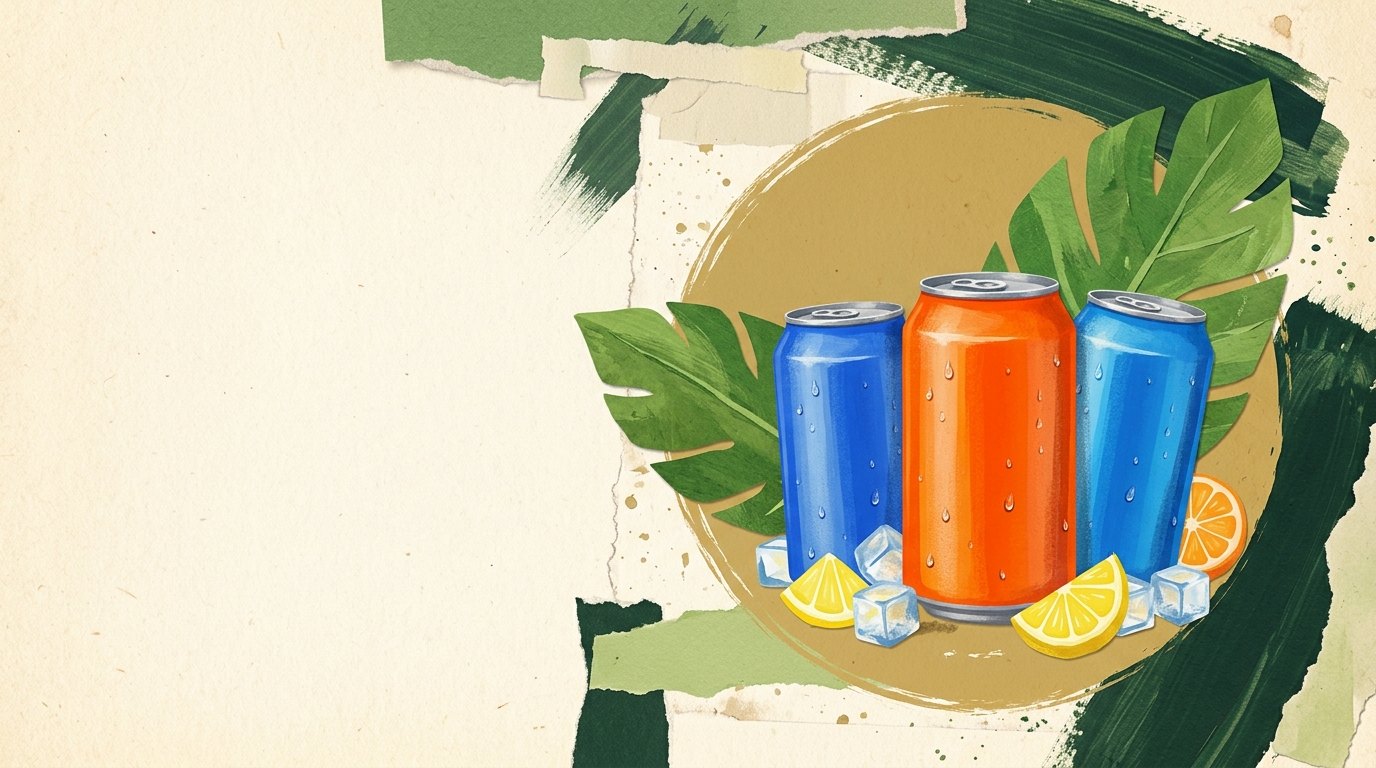
SpikedAde is a non-carbonated, vodka-based drink in Gatorade-style flavors like Electric Orange and Electric Blue. Each 12 oz can is 4.5% alcohol, 100 calories and zero sugar.
It will sit in Constellation’s beer division, next to Corona, Modelo and Pacifico. Constellation takes over production, marketing and distribution, and plans to take the brand national through its beer distributor network. It is the company’s first move into hard sports drinks. For a business Constellation’s size, $75 million upfront is small money. For a founder who launched last year, it is an enormous outcome.
From first can to exit
Cohen founded SpikedAde in Jersey City in 2025. He is not a first-timer: he has spent about 20 years in food and beverage, and the company’s January press release credits him with 10 prior exits. His team included former Diageo executives and senior people from the protein shake brand OWYN.
Look at who carried the product. SpikedAde launched through Peerless, Shore Point and Kramer, beer distributors that already worked with Constellation and Molson Coors, plus Manhattan Beer Distributors. From day one, the most likely buyer’s own partners could see the reorder data. Constellation never had to take Cohen’s word for it.
Why “$353 million” isn’t the real number
The headline figure adds together two very different kinds of money:
| Part of the deal | Amount | Guaranteed? |
|---|---|---|
| Upfront, at closing | $75M | Yes |
| Earnout, over five years | Up to $278M | No, depends on targets |
| Total possible | Up to $353M | Only if all targets are hit |
Only the $75 million is certain. The rest is an earnout: it is paid only if SpikedAde hits sales or profit targets the two sides agreed on. If the brand stalls, that money never arrives.
Earnouts are common for young food and drink brands with a short track record. The buyer is saying: this could be huge, but you have one year of data, so prove it. The seller is saying: fine, but if your distribution makes it huge, I want a piece. Both sides think they got the better deal, which is why the structure works.
Three things founders should know about earnouts. After the sale, the buyer controls the marketing budget, pricing and which markets to enter, so if the brand is deprioritized, the earnout goes with it. The targets matter more than the headline: $278 million tied to easy targets is worth a lot, while the same amount tied to unrealistic ones is worth close to nothing. And investors are usually paid first. Depending on the terms of January’s round, those backers likely get their money back before the founder sees upside. Even so, $75 million upfront on $10 million raised is a strong result for everyone.
Why Constellation paid
Spirit-based ready-to-drink is where the growth is. Constellation’s release cites Circana data showing dollar sales of spirit-based RTDs rose 25% in the 52 weeks to August 30, 2026. Beer is flat, wine is shrinking and hard seltzer peaked years ago.
Hard sports drinks, which the industry calls “Ades,” crossed one million cases in 2026, according to NielsenIQ. Super Lyte leads with about 65% of off-premise sales, SpikedAde is No. 2 and Vodkade is No. 3. Buying the second-largest brand in a segment that barely existed two years ago is a cheap way to own a trend before it gets expensive.
Constellation returns to M&A fray amid stagnant US beer market
— Just Drinks (@Just_Drinks) October 12, 2026
The move for SpikedAde is perhaps Constellation’s most notable acquisition for around a decade. https://t.co/GDAqw0ibYC
Photo credit: Constellation Brands, Inc. pic.twitter.com/uclbSuR2US
There is pressure at home, too. Constellation’s core business, importing Mexican beer, has been squeezed by tariffs and softer spending, and management needs to show growth somewhere. Buying a fast-growing brand is quicker than building one.
“A distinctive position in an emerging segment.”
Constellation Brands CEO Nicholas Fink on SpikedAde
Put plainly, someone else took the risk of creating the category, and Constellation is buying its way in.
This story draws on Constellation Brands’ and SpikedAde’s own announcements, trade press coverage and public posts. Deal terms are as announced; the earnout is a maximum, not a guaranteed payment. Ecomswap’s interpretation is editorial analysis.